
Free live workshop · August 2What can a high-school student actually build with AI now?Reserve a seat
AI INNOVATORS · FALL 2026

Learn modern AI by building a real product or research project.

A ten-week, mentor-led program for high-school students who are excited about AI and ready to follow through. Choose Physical AI or AI Systems, build in a pod of no more than five, and finish work you will be proud to share. No prior programming course is required.

Apply for Fall 2026 SMALL BUILD GROUPS · 2 TRACKS
ORIENTATION SEPTEMBER 12, 2026
PROJECT WEEKS10 project weeks
WEEKLY WORK3 live hours + 1-2 project hours
FINAL PRODUCTWork you are proud to share
REQUIREMENTSBe prepared
TOP-DOWN AI EDUCATION

Become AI-native by building before the playbook is finished.

Students learn quickly when the work has a purpose. The project begins immediately, then pulls in the model concepts, code, data, research methods, and engineering required to make that specific system work better.

THE LUCID LEARNING ORDER / WEEKS 1–2

Build a working first version

See what current language, vision, and multimodal models can do, choose a focused project direction, and connect a model to real inputs, data, or tools. By the end of week two, every student has something visible they can run and improve.

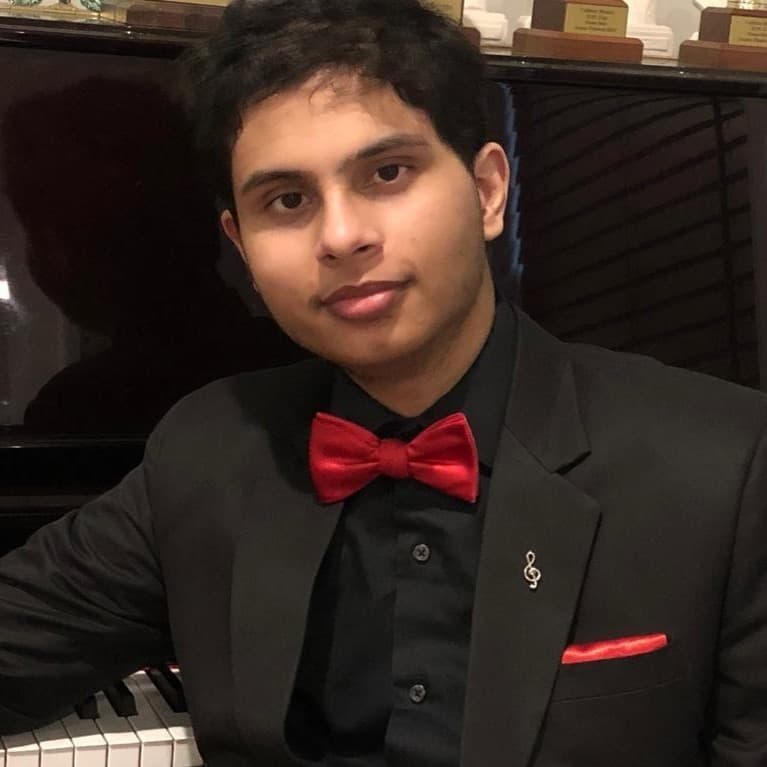
Parth Kocheta
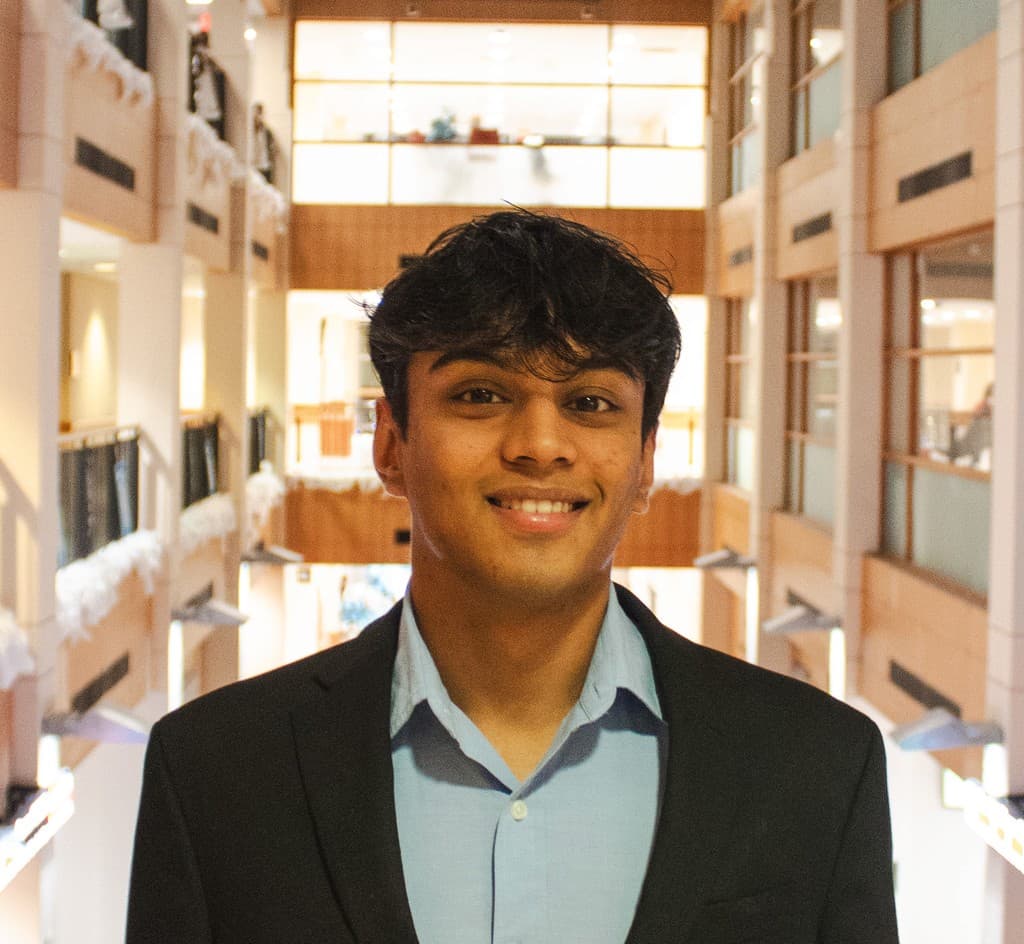
TAUGHT BYParth KochetaAI research at Carnegie Mellon · 2× ML intern at Sanofi
Carnegie Mellon UniversitySanofi
Choose your track
Parth Kocheta
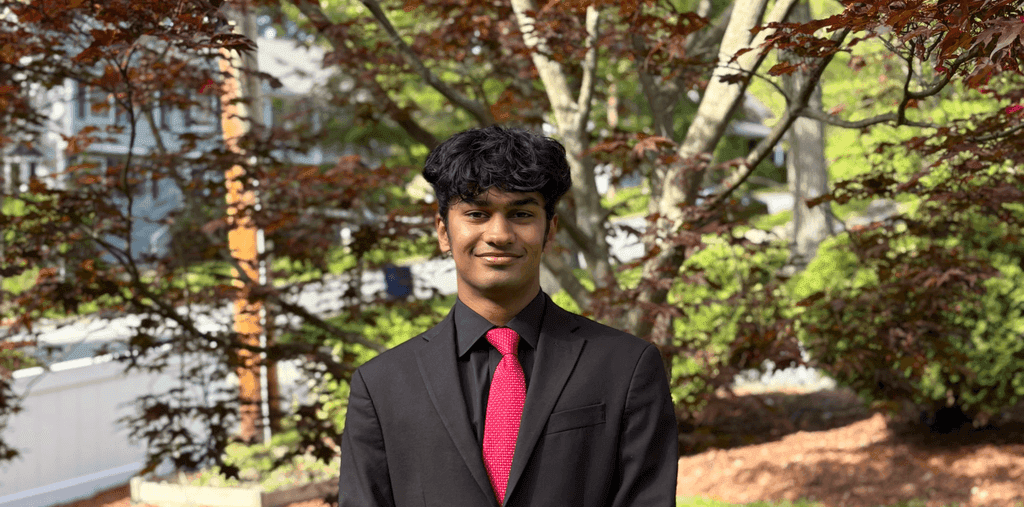
Kaden Cassidy
Vaibhav Mishra
Pranay Kocheta
MENTOR BENCH

Work under people who won the competitions, published the papers, built production systems, and know how to get student work taken seriously.

CHOOSE YOUR FALL TRACK
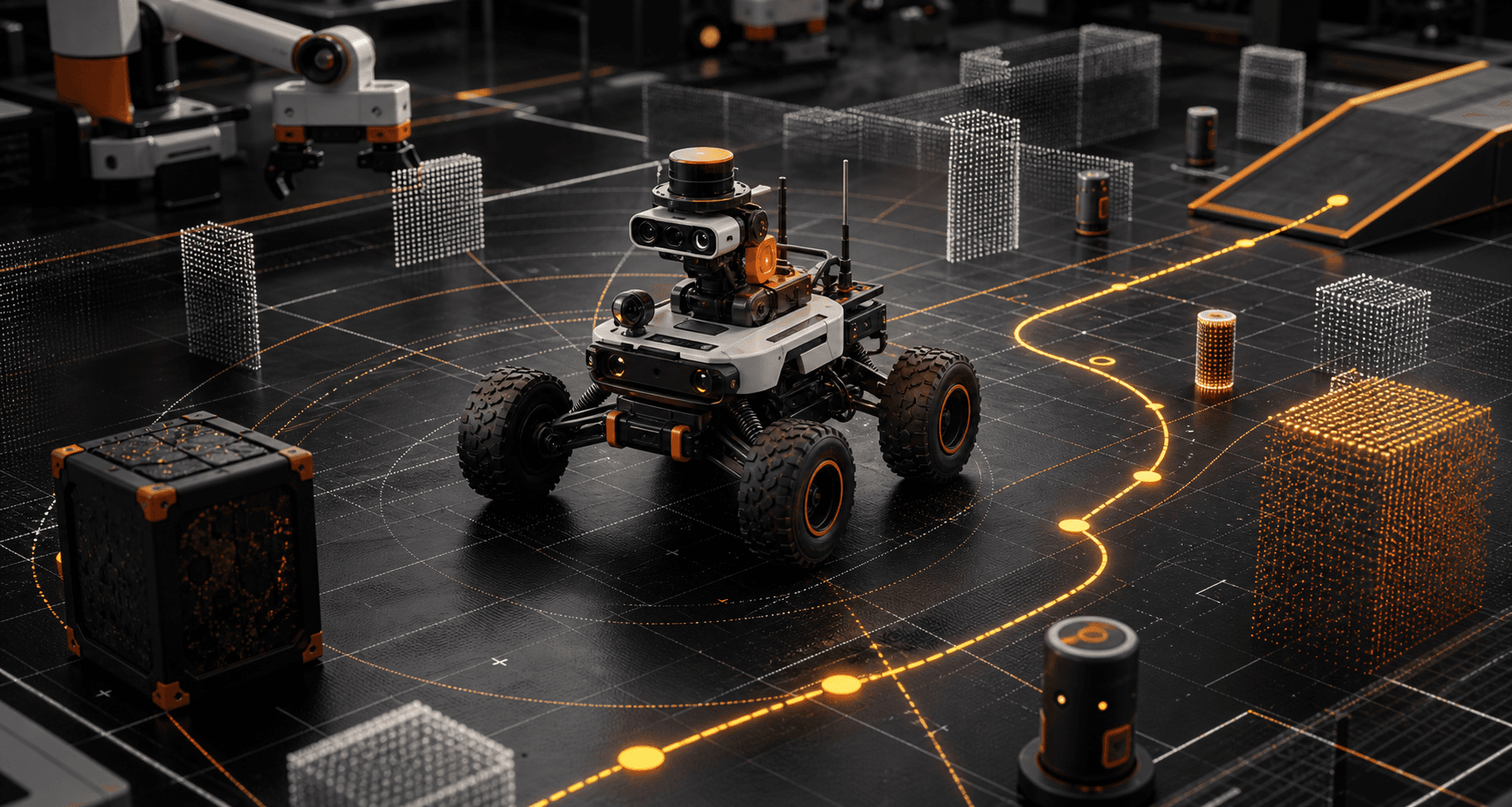
Autonomous rover navigating a robotics test arena with perception overlays
01
01 / Kaden Cassidy

Physical AI & Robotics

Build intelligent systems that perceive, plan, and act in a physical or simulated world.

A possible fall build

Build a robot or simulated agent that follows a natural-language mission, acts in an unfamiliar environment, and recovers when its first plan fails.

What you practice

Vision-language models · simulation · planning · control · field evaluation

AI agent research workstation with evidence panels, tool calls, and evaluation charts
02
02 / Parth Kocheta

AI Agents & Research Systems

Build agents that use evidence, tools, and feedback to complete measurable technical work.

A possible fall build

Build an agent that investigates a defined technical question, uses real tools, records its evidence, and improves against a repeatable evaluation set.

What you practice

Retrieval · tool use · agents · observability · evaluation · feedback loops

GROUPS CAPPED AT FIVE

Applicants indicate a preference. Final placement is based on interests, starting point, and fit with the project direction.

Apply for track placement
WHAT STUDENTS RELEASE

You can open the work, run it, and see what the student owned.

Every student finishes a product or research project with a clear personal contribution. A research paper is developed when the work genuinely warrants one, not assigned as a universal format.

  • A complete AI project connected to a real scientific or engineering question
  • A clear record of what the student built, tested, learned, and improved
  • Code, results, and a concise project page they can share with others
  • A final presentation for parents, mentors, and invited technical reviewers
  • A specialist recommendation for competitions, internships, or deeper 1:1 work
WHAT IS INCLUDED

Everything needed to begin, build, test, and release serious work.

AI Innovators includes the practical setup, weekly live work, current AI systems examples, project credits, feedback, and release package students need to carry one build through.

  1. 01An included Launchpad covering AI-assisted coding, notebooks, APIs, and the practical setup needed to begin
  2. 02Three live hours each week across technical instruction and a small-group build lab
  3. 03Current model, API, and system examples updated for the Fall cohort
  4. 04Model, API, and cloud-compute credits needed for the approved project
  5. 05Weekly demonstrations, written feedback, and access to office hours
  6. 06A public project package: demo or video, code, measured results, and project story
  7. 07A final showcase and a recommendation for the strongest next step
FALL COHORTLaunchpad, live labs, credits, feedback, and final showcase included.
INCLUDEDSetup, support, and release package.

Students get the Launchpad, live lab structure, model credits, feedback, and final showcase needed to finish credible work.

THE STANDARD
FIRST-PLACE STUDENT RESULT

Finished work is more powerful when the student can explain how it was built.

Watch Saaya discuss the project development and mentorship behind a first-place Massachusetts Science & Engineering Fair result.

See more student results
Student interview

Saaya · MSEF first-place winner

NOW ENROLLING · AI INNOVATORS

Ten weeks. One serious project. Work worth showing.

September 12 – November 22, 2026 · live online · small lab pods

Apply to the fall cohort
AI InnovatorsFall 2026 · applications openApply